Fetească, Rară Neagră, and Friends: Moldova's Native Grapes
Moldova's indigenous grapes — Fetească Albă, Regală and Neagră, Rară Neagră and aromatic Viorica: how each tastes, its style, and what to pair it with.
Every wine country that wants to be remembered abroad eventually asks the same question: what do we have that no one else does? Moldova’s answer is written into its vineyards. Alongside the familiar international grapes it grows well, the country keeps a handful of indigenous varieties — grapes with regional names, regional histories and flavours you cannot find bottled anywhere else in quite the same way.
The short list matters. Moldova’s native repertoire runs to the three Fetească grapes (Albă and Regală in white, Neagră in red), the pale and perfumed Rară Neagră, the old workhorse white Plavai, and the modern aromatic Viorica. Some are ancient and shared with neighbouring lands; one was created in a Moldovan research station within living memory. What unites them is that they taste of a specific place, and that place is not France.
Meet the family. Learn how they taste, what they like on the table, how they map onto wines you may already love, and why a small country’s future on the world’s wine lists may rest on these old names.
How Moldova almost lost its own grapes
Before the flavours, the survival story — because it explains why these varieties feel rediscovered rather than merely inherited.
Winegrowing in this corner of the world is measured in millennia, not centuries. For most of that history the region’s own grapes simply were the wine: local vines, local names, local ways of drinking. Then came two shocks in a little over a hundred years that nearly erased them.
The first was phylloxera. In the late nineteenth century this tiny root-feeding insect, carried over from North America, swept through European vineyards and killed vines by the region. The cure — grafting European grape varieties onto resistant American rootstock — saved winegrowing, but it was expensive and slow, and it forced growers everywhere to choose which vines were worth replanting. Fashionable, high-yielding and internationally known grapes were replanted first. Obscure local varieties, with no export reputation to defend, were the easiest to quietly let go.
The second shock was the twentieth century itself. Under Soviet planning, Moldova became a vast supplier of wine by volume for the wider union, and the incentives ran toward quantity and reliability rather than character. High-yielding and technical varieties were favoured; delicate, low-cropping native grapes were not what a planned economy optimising for hectolitres wanted. The blow landed hardest in the mid-1980s, when a sweeping anti-alcohol campaign led to vineyards being uprooted on a huge scale across the union, Moldova included. Old plantings — among them irreplaceable stands of indigenous vines — went under the plough.
By the time Moldova became independent in 1991, its native grapes were still alive but marginal: kept going in old vineyards, in research collections and in the memory of growers, rather than celebrated on labels. What turned that around was partly painful. When export markets to the east contracted sharply in the mid-2000s, Moldovan producers were pushed to compete on Western wine lists — and quickly learned that “well-made Cabernet from somewhere you can’t place” is a hard sell in a world already full of it. The grapes no one else had suddenly looked less like a liability and more like the whole point.
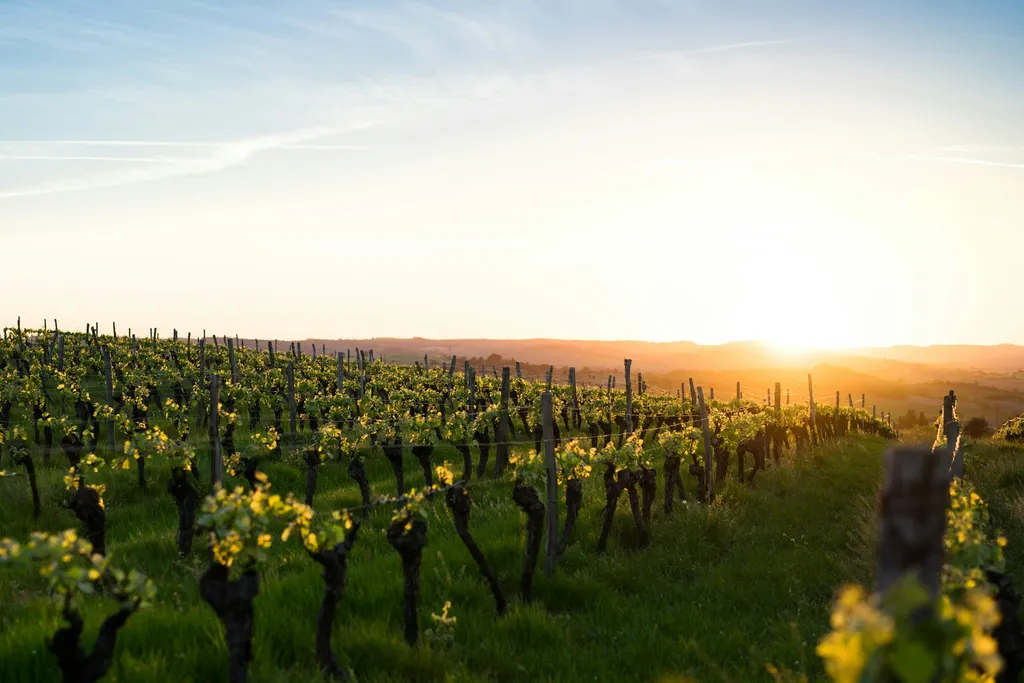
The revival that followed is the backdrop to everything below. Native varieties were replanted deliberately, given serious sites and serious winemaking, and put front and centre on labels aimed at Chișinău, London and beyond. The grapes in this article are not museum pieces. They are a young, confident category still working out how good it can be.
The Fetească family
The heart of Moldova’s native repertoire is a trio of related grapes that all carry the name Fetească — a word built on the root for a young woman, a “maiden.” In regional folklore the name is often linked to a beautiful young heroine of old stories, the kind of fairy-tale figure who lends her name to something precious; you do not need to believe the legend to feel how it colours the wines’ image. What is not in doubt is that these are old varieties of the wider Carpathian–Danubian region, and that each Fetească has a character of its own.
Fetească Albă — the delicate white
Fetească Albă (“white maiden”) is the quiet, graceful white of the group. An old variety, it makes light, elegant wines with fine, fresh aromatics — think vine flower, acacia and wildflowers, green apple and citrus. It runs from dry through off-dry and into sparkling, and it favours subtlety over power. In the wrong hands it can be simple; in the right ones it has the nervy, floral prettiness that rewards attention rather than demanding it.
If you love dry Pinot Blanc, unoaked Chenin or a delicate, floral Riesling, Fetească Albă lives in that neighbourhood: a white that trades on fragrance and lift rather than weight.
Fetească Regală — the structured white
Fetească Regală — “royal Fetească” — is the more substantial white, a semi-aromatic variety that can carry more body and even oak. Expect a floral, grapey character with pear and citrus, and, in its barrel-aged expressions, real texture, a rounder mid-palate and genuine ageing potential. Where Albă is a whisper, Regală speaks up. It is arguably Moldova’s most versatile native white, equally at home as a crisp everyday pour and as a serious, lees-worked, oak-touched wine.
Regală will feel familiar to drinkers of Pinot Gris, Grüner Veltliner or a textured white Rhône — whites where body and a savoury edge matter as much as aroma.
Fetească Neagră — the celebrated red
Fetească Neagră, the “black maiden,” is the star. This is an ancient grape capable of serious, age-worthy wine: deep in colour, generous in dark fruit (berries, cherries, plums, dried fruit) and touched with spice — cinnamon, black pepper, allspice, and vanilla when it sees oak. Its flavours intensify with maturation, and it also makes a distinctive, structured rosé. If Moldova has a signature indigenous red, this is a leading candidate.
The most useful comparison for newcomers is by sensation rather than flavour. Fetească Neagră tends to be medium- to full-bodied with fresh acidity and spice-led aromatics — which is exactly why Pinot Noir, Blaufränkisch and Zweigelt drinkers so often take to it. It offers the perfume and drinkability those grapes are loved for, with a little more dark-fruited depth and a peppery signature that is its own.
Rară Neagră, the delicate red
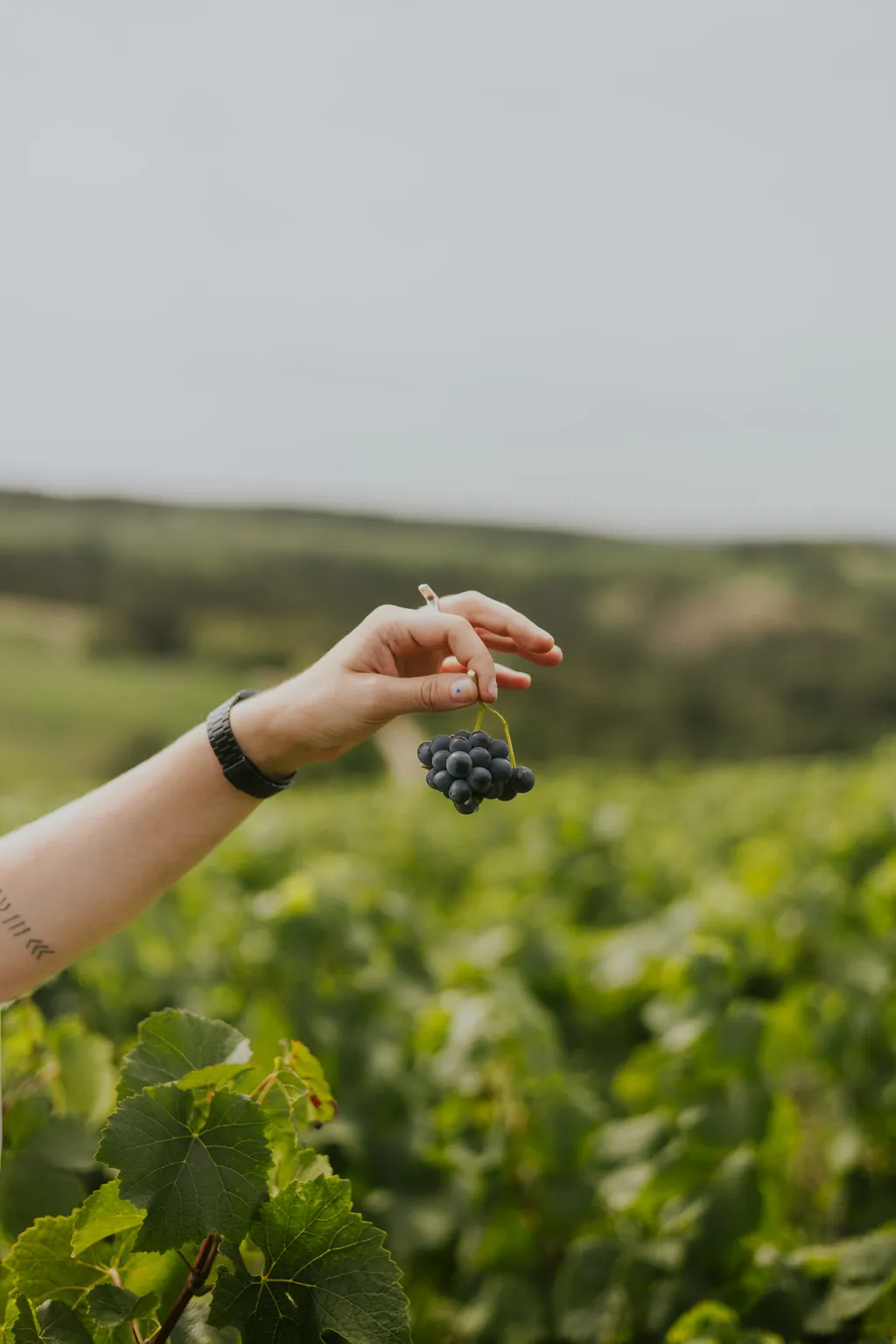
If Fetească Neagră is depth, Rară Neagră is grace. Its name means “rare black,” and it is one of Moldova’s oldest red grapes — pale, light-bodied, with fine, delicate tannins, bright acidity and a perfumed, red-fruited character: rosehip and red currant, wild blackberry, cherry and plum. It rarely shouts, and it almost never needs heavy oak to make its point.
That lightness is a feature, not a limitation. In a wine world slowly falling back in love with pale, fragrant, lower-alcohol reds, Rară Neagră is unfashionably fashionable. It makes charming solo reds and rosés, its high acidity even lends itself to sparkling wine, and it chills beautifully for summer drinking. If your idea of a great red is a translucent, aromatic Pinot Noir, a cru Gamay, a Sicilian Frappato or a Jura Poulsard, Rară Neagră belongs on your list.
Its most famous role, though, is in a blend — which brings us to the wine that carried Moldova’s name into the world.
Negru de Purcari and the blend tradition
Negru de Purcari is Moldova’s emblematic red, made in the Ștefan Vodă region around the village of Purcari. It is a blend, and its composition tells a small story about how Moldova positions its native grapes: it is built around Cabernet Sauvignon, the Georgian Saperavi and the indigenous Rară Neagră. The international grape gives frame and tannic structure, Saperavi gives colour and depth, and Rară Neagră gives the perfume and regional signature — the note that says here and nowhere else.
This wine’s pedigree runs deep — it first won recognition at an international exhibition in Paris in the nineteenth century and went on to a long reputation among Europe’s grand tables. Its lesson for today is that Moldova’s indigenous varieties do not have to stand alone to matter. Woven into a considered blend, Rară Neagră contributes exactly the thing an all-international wine cannot: a taste of here. It is a reminder that “indigenous” and “world-class” have never been opposites.
Plavai, the quiet historic white
Not every native grape is a showpiece, and Plavai is proof that a variety can earn its keep by being gently, reliably good rather than dramatic. One of the region’s old whites, Plavai gives fresh, soft, relatively neutral wines — modest in alcohol, easy in acidity, with light orchard-fruit and floral hints rather than a loud aromatic signature. Historically it was a high-yielding vineyard staple, the sort of grape that filled carafes and everyday bottles across the region.
That unshowy character is precisely its modern usefulness. As a fresh, low-alcohol, food-friendly white — think along the lines of an easygoing Trebbiano or a soft, neutral house white — Plavai fits the way many people actually drink, and it gives winemakers a native option for approachable, everyday styles and for blends that want freshness without perfume. It is the family’s dependable member, and it deserves to be named rather than quietly folded into “local white.”
Viorica, the modern aromatic
Not every “native” grape is ancient. Viorica is a modern Moldovan variety — a white bred locally and recognised as an aromatic grape in the twentieth century — and it has become one of the country’s most distinctive calling cards. It is intensely perfumed in a Muscat-adjacent register: white flowers such as acacia, jasmine and linden over citrus, lychee, yellow apple and candied apricot, with a herbal lift of thyme and basil. Poured blind, it announces itself before the glass reaches the table.
Viorica makes fresh, fragrant dry whites and sparkling wines, and because it was bred here it belongs to Moldova in a way even the old grapes shared with neighbours do not. It shows that indigenous identity is not only something inherited; it can be created. For drinkers, the shortcut is simple: if you enjoy Muscat, Gewürztraminer or Torrontés, Viorica speaks your language — often with a drier, crunchier finish than those wines manage.
How they compare to wines you already know
The fastest way into an unfamiliar grape is a wine you already trust. None of these comparisons are exact — that is the whole point of a distinctive variety — but each is close enough to know whether you will like the pour before you order it.
| Variety | Colour | In a phrase | Drink it if you like… |
|---|---|---|---|
| Fetească Albă | White | Delicate, floral, fresh | Pinot Blanc, unoaked Chenin, delicate Riesling |
| Fetească Regală | White | Textured, semi-aromatic, oak-friendly | Pinot Gris, Grüner Veltliner, white Rhône |
| Plavai | White | Soft, neutral, low-alcohol, easy | Trebbiano, a fresh, gentle house white |
| Viorica | White | Intensely aromatic, Muscat-adjacent | Muscat, Gewürztraminer, Torrontés |
| Rară Neagră | Red | Pale, perfumed, light, high-acid | Pinot Noir, Gamay, Frappato, Poulsard |
| Fetească Neagră | Red | Deep, spicy, dark-fruited, age-worthy | Pinot Noir, Blaufränkisch, Zweigelt |
What to pour with them
These grapes earn their place at the table. A few natural pairings:
- Fetească Albă — light, fresh whites for salads, soft cheeses, river fish and simple starters where you want lift, not weight.
- Fetească Regală — its fuller, textured whites handle roast chicken, creamy sauces and richer vegetable dishes; oaked versions stand up to more.
- Plavai — soft and low-alcohol, an all-day white for light lunches, fresh cheeses, vegetables and anything you would serve a simple, unfussy pour with.
- Viorica — aromatic and off-dry-friendly, a match for spiced and fragrant cuisines, Asian dishes and anything where a perfumed white can shine.
- Rară Neagră — its lighter reds and rosés suit charcuterie, poultry, tomato-based dishes and warm-weather meals served with a slight chill.
- Fetească Neagră — age-worthy reds for grilled and roasted meats, game, stews and hard aged cheeses; the spice loves a char.
Why native grapes matter
It would be easier, commercially, for Moldova to plant only what the world already recognises. Cabernet sells itself. But a country that offers only well-made versions of other places’ grapes has no story of its own, and story is what turns a bottle from a commodity into a discovery. The history above is the proof: these varieties nearly disappeared precisely because, for a long time, “distinctive” counted for less than “reliable and known.” The revival is a bet that distinctiveness is now the more valuable thing.
Fetească, Rară Neagră, Plavai and Viorica are Moldova’s answer to that problem. They give the country a flavour and a name that cannot be reproduced in California or the Languedoc, and they anchor its wines to a specific place with a specific past. For a winery building an identity abroad, that distinctiveness is an asset worth protecting — which means growing the varieties, naming them honestly on the label, and keeping the records that let a wine’s origin and grape be proven, not just claimed. In a system like Wineopsys — winery software built in Moldova — a variety travels as a fact from the vineyard block to the bottle, so the Fetească Neagră on the front label is the Fetească Neagră that was actually grown, picked and vinified.
If you want the wider context, our guide to Moldova’s wine regions maps where these grapes grow best, and our piece on Moldova’s winemaking culture explains the country’s long relationship with the vine. The native grape is the story; the discipline behind it is what makes the story trustworthy.
Wineopsys is winery software built in Moldova for producers who take origin and grape identity seriously — from the vineyard block through fermentation to the labelled bottle. If you would like to keep those records honest and effortless for your own native varieties, join the waitlist and we will be in touch.
Frequently asked questions
- What are Moldova's native grape varieties?
- Moldova's best-known indigenous grapes are the three Fetească varieties — Fetească Albă and Fetească Regală (white) and Fetească Neagră (red) — along with the red Rară Neagră, the white Plavai and the aromatic white Viorica. Fetească, Rară Neagră and Plavai are old regional grapes shared with neighbouring lands, while Viorica is a modern Moldovan aromatic variety recognised in the twentieth century.
- What is Fetească Neagră?
- Fetească Neagră, meaning roughly 'black maiden,' is an ancient red grape native to the region. It produces deeply flavoured, age-worthy red wines with aromas of ripe dark fruit — berries, cherries and plums — and gentle spice, often described with notes of black pepper and vanilla when oak-aged. It rewards maturation and can also make characterful rosé. Pinot Noir and Blaufränkisch drinkers tend to take to it quickly.
- What does Rară Neagră taste like?
- Rară Neagră is a pale, light-bodied red with fine, delicate tannins and bright acidity. Its perfume runs to red fruit and flowers — rosehip, red currant, wild blackberry, cherry and plum. It rarely feels heavy or oaky, which makes it a natural fit for drinkers who love pale, fragrant reds such as Pinot Noir, Gamay or Frappato. It also makes rosé and lends perfume to blends.
- What white grapes is Moldova known for?
- Moldova's signature white grapes are Fetească Albă, a delicate, floral old variety; Fetească Regală, a fuller-bodied semi-aromatic white that can take oak; the historic, gently neutral Plavai; and Viorica, a modern, intensely aromatic Muscat-adjacent variety bred locally. Together they cover everything from light, fresh whites to textured, barrel-aged styles and perfumed aromatic wines.
- What is Negru de Purcari made from?
- Negru de Purcari is a historic Moldovan red blend from the Ștefan Vodă region, built around Cabernet Sauvignon, Saperavi and the indigenous Rară Neagră. First recognised internationally in the nineteenth century, it pairs Moldova's native grape with international and Georgian varieties to make a structured, cellar-worthy wine that became the country's emblem abroad.
- Why do indigenous grapes matter for Moldova?
- Indigenous grapes give Moldova something no other country can copy. In a global market crowded with Cabernet and Chardonnay, varieties such as Fetească Neagră, Rară Neagră and Viorica let Moldovan wine offer a genuinely distinct taste and story. They are the country's clearest claim to a wine identity of its own rather than a well-made version of someone else's.