A Nation That Measures Its History in Vintages: Moldova's Winemaking Culture
Wine as identity in the world's most vine-dense country: the casa mare, home cellars, National Wine Day, Cricova's tunnels and Moldova's quality revival.
There is a way of thinking about time that is hard to explain to people from younger wine countries. In Moldova, a family may talk about a year the way others talk about a landmark — not “when the roof was replaced” but “the vintage the frost came late.” Wine is not a hobby layered onto national life here. It is one of the threads the fabric is woven from.
This is a country that measures a good deal of its history in vintages, and the habit shows up everywhere: in the ceremonial best room kept for guests, in the cellar dug beneath the house, in the vast galleries carved into limestone hills, in a public holiday devoted to the harvest, and in a quiet modern revival that has turned an old craft toward the world. To understand Moldova, you have to understand that wine here is less a product than a language — one almost everyone speaks, and has spoken for a very long time.
Why is Moldova famous for wine?
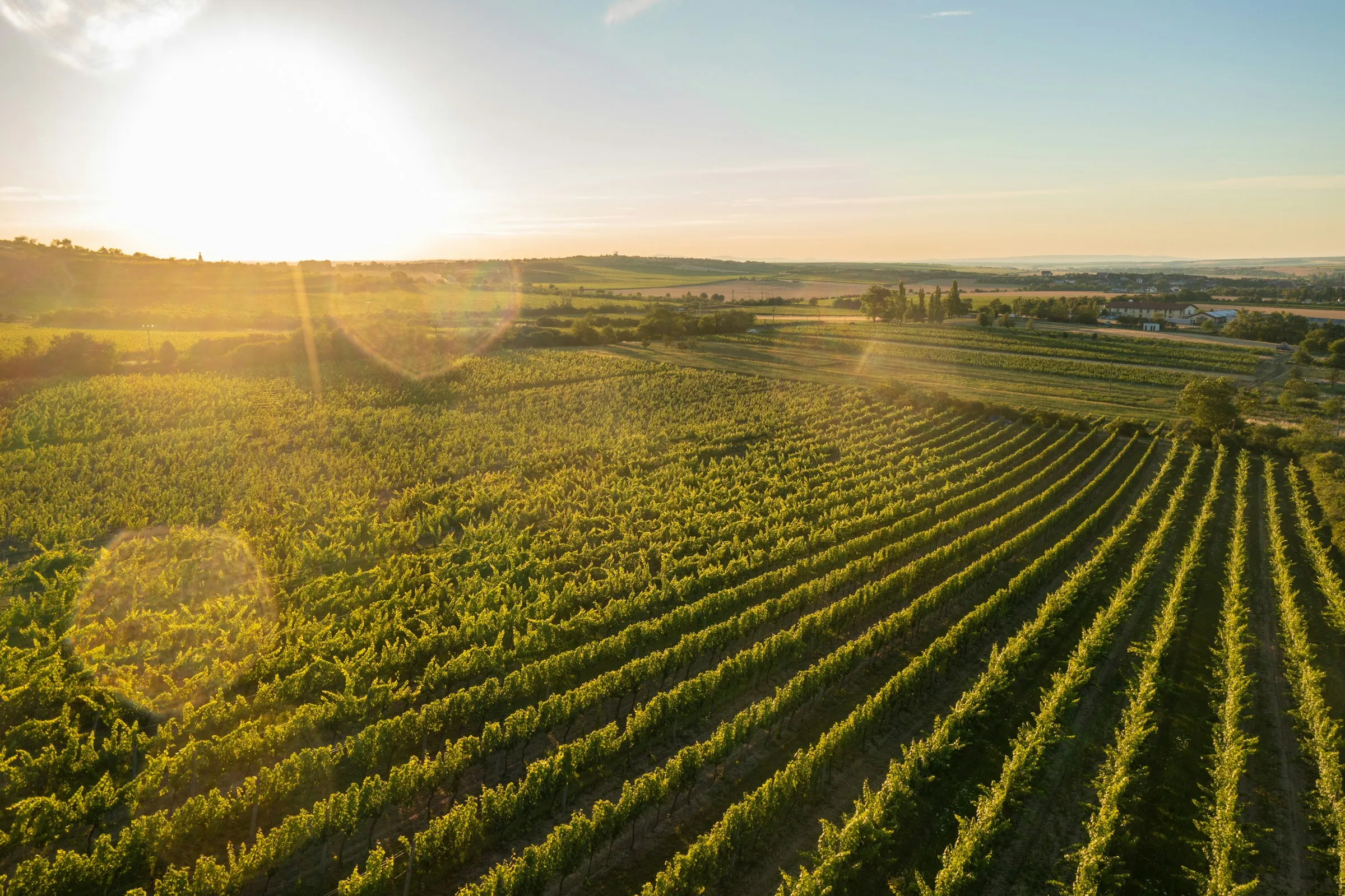
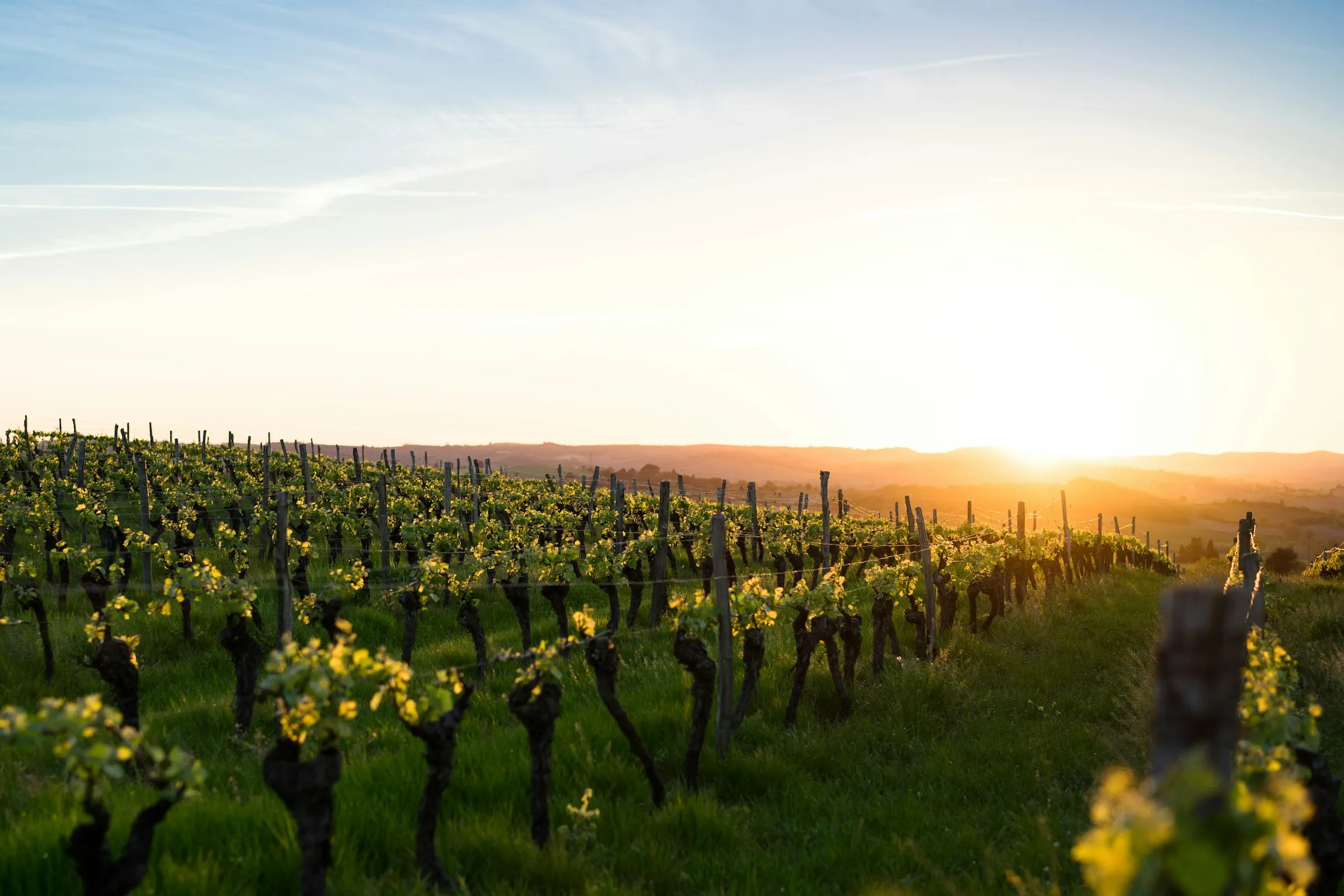
Moldova is famous for wine for a simple, almost physical reason: there is an extraordinary amount of it, made by an extraordinary number of people, in a country small enough to cross in a few hours. It is one of the most vine-dense places on earth, with one of the highest vineyard areas per person of any nation, and it sits comfortably among the world’s leading producers despite its modest size. Vines are not a specialist crop tucked into a favoured valley here; they are on the edge of towns, behind houses, along the roads, part of the ordinary view.
But density alone would only make Moldova a big producer. What makes it a wine culture is that the vine reaches into places an industry never does — into hospitality, ritual, memory and national self-image. A Moldovan household that has never sold a bottle in its life may still make wine every autumn, keep it under the floor, and pour it for anyone who crosses the threshold. That is the difference between a country that grows grapes and a country that thinks in wine. Moldova is firmly the second kind, and the rest of this piece is really an attempt to explain how deep that goes.
How far back does Moldovan winemaking go?
Winegrowing in the lands of present-day Moldova reaches back thousands of years. The territory’s mild continental climate and deep soils suited vines long before modern borders existed, and grapes passed through the hands of successive peoples — Thracian, Greek, Roman and those who came after — who each added to the practice. Through every change of ruler and empire, the vine stayed. Regimes are temporary here in a way the harvest is not.
That continuity is the point. Winemaking in Moldova was never an imported luxury or a recent commercial bet; it was ordinary, generational knowledge — how to prune, when to pick, how to keep a barrel clean through a long winter. When a craft is that old and that widely held, it stops being an industry and becomes a shared inheritance, passed down the same way as a family name or a recipe. That inheritance is the ground everything else here grows from, and it is why a conversation about Moldovan wine so quickly stops being about tasting notes and becomes about people.
The casa mare: wine and the good room
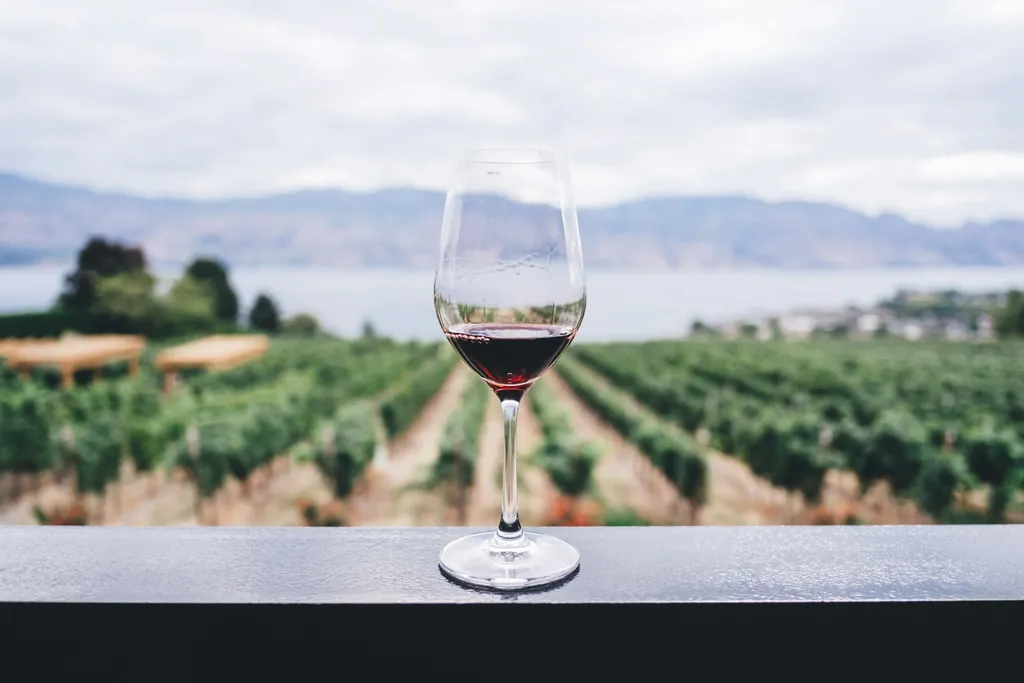
To find the emotional centre of Moldovan wine culture, don’t go to a winery. Go into a village house and look for the casa mare — literally the “big room,” the best room, kept clean and slightly formal and reserved for guests, celebrations and the moments a family wants to mark. It is where a christening is toasted, where a matchmaking is settled, where the important visitor is seated. And it is where the household’s own wine comes up from the cellar.
The casa mare explains something a statistic never could: in Moldova, offering wine is not a transaction but a form of welcome. To arrive as a guest is to be poured for, and to refuse the first glass entirely is to refuse the gesture behind it. The wine served in the casa mare is usually the family’s own — not chosen from a list, not priced, simply theirs, carrying the reputation of the household in every glass. A host’s wine is a host’s honour. This is why so much of the country’s wine never appears in any market: it exists to be given away.
The art of the toast
Wine in the casa mare rarely arrives in silence. Moldovan hospitality runs on the toast — noroc, “good luck,” is the everyday one — and a proper gathering is a sequence of them, moving from health and family to the guests, the hosts, the absent, and back around. The toasts are not throat-clearing before the drinking; they are the point. They turn a glass of wine into an occasion and a table of people into a company. A first-time visitor quickly learns that the pace of the evening is set not by thirst but by what there is to say, and that a good toast is answered with another. It is a small, living ritual, and it is one of the most reliable ways to feel how seriously this culture takes the act of pouring for someone else.
Wine made at home: the beci and the family cellar
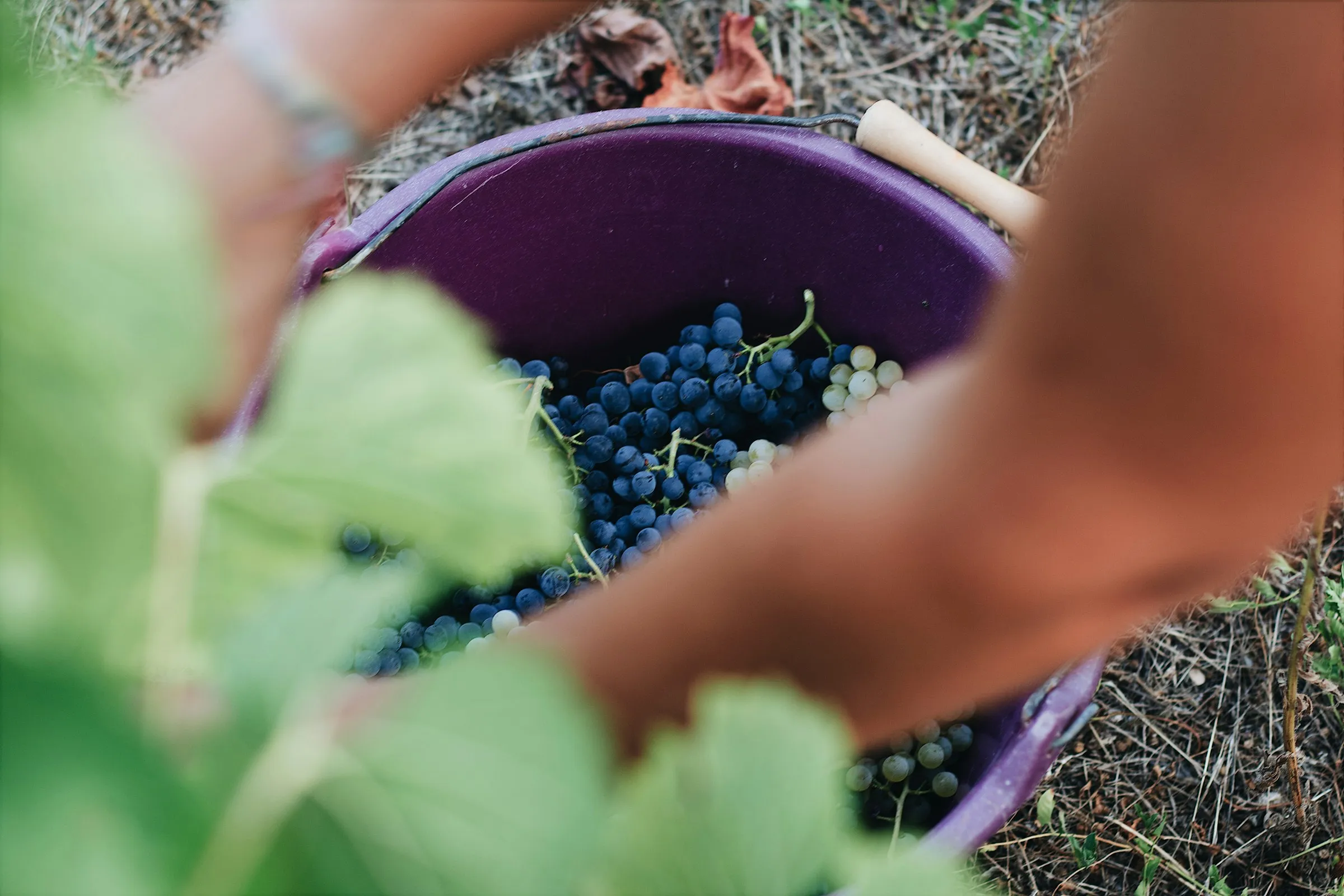
Under a great many Moldovan houses is a beci — the household cellar, dug into the cool earth, where the family’s wine lives out the year. This is the domestic engine of the whole culture. Across the country, families still make their own wine each autumn, pressing grapes from their own rows or bought by the crate, fermenting in the yard, and settling the result in the beci for the table ahead. It is casă vin, house wine: poured without ceremony, offered as hospitality rather than commerce, and judged by neighbours with the frankness of people who make their own.
This home tradition is why wine knowledge is so broadly distributed. A great many Moldovans have, at some point, helped crush grapes, watched a fermentation bubble in a corner of the yard, or judged with a thumb and a nose whether a barrel had turned. The commercial wineries and the household beci are not separate worlds; the winemaker at a modern estate very often grew up carrying buckets down cellar steps. Understanding the beci is understanding why the whole country speaks wine as a first language — and why its professionals arrive already fluent.
The underground cellar cities
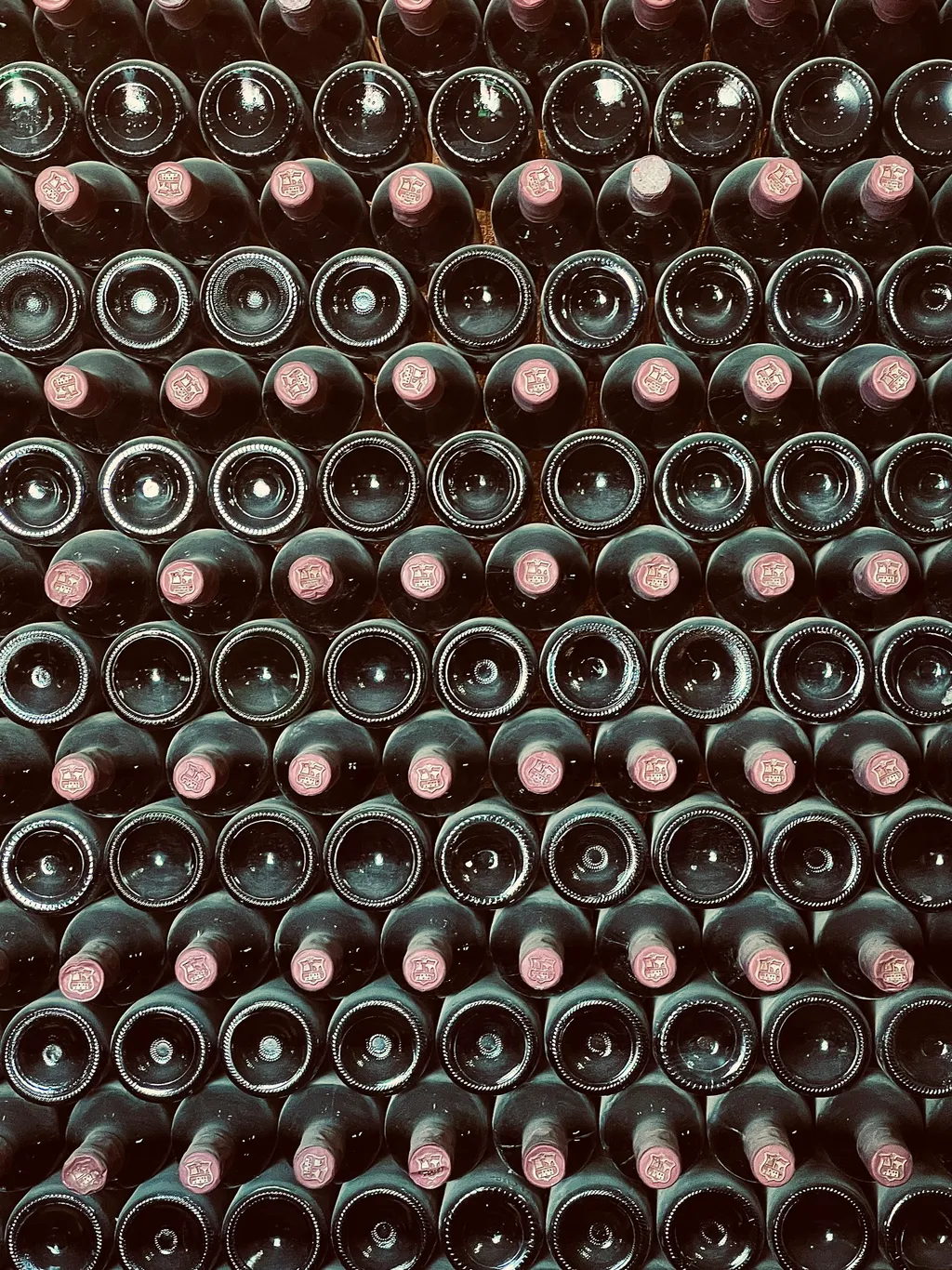
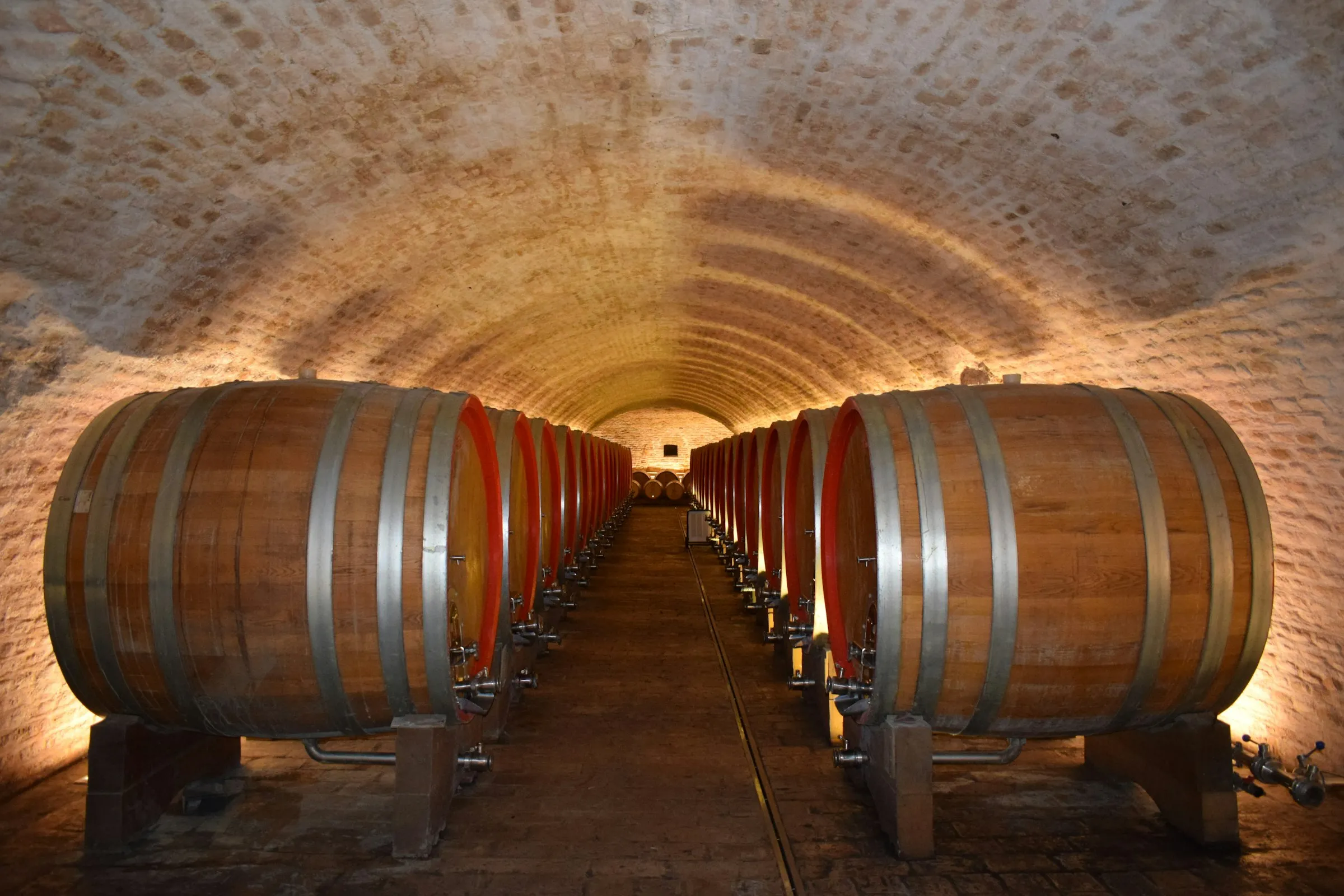
If the beci is the private face of Moldova’s devotion to wine, the cellar cities are its monumental one. Beneath the countryside near Chișinău run two of the most extraordinary cellars on earth, both born from limestone quarries. As builders cut stone from the hills over generations, they left behind galleries — and someone realised those cool, humid tunnels were perfect for wine.
At Mileștii Mici, the galleries extend for roughly 200 kilometres, a fraction of them in active use for storage and ageing. Deep inside rests the Golden Collection, around 1.5 million bottles, recognised by Guinness World Records in 2005 as the largest wine collection in the world. Nearby Cricova is a second subterranean city, with well over a hundred kilometres of tunnels laid out like streets and named after grape varieties, complete with tasting halls hollowed from the rock. Cars drive through them along underground avenues. The limestone holds a near-constant cool temperature and high humidity all year — conditions a modern climate-controlled warehouse spends fortunes to imitate, delivered here for free by the earth.
These are not tourist gimmicks bolted onto a winery. They are working cellars at a scale that only makes sense in a country where wine is central enough to justify digging a town for it. They are also, tellingly, sources of national pride rather than mere business assets — the sort of place a Moldovan will take a visiting foreigner to explain, without needing to say so directly, what wine means here. For the styles that fill them and the regions that feed them, our guide to Moldova’s wine regions walks the map region by region.
National Wine Day: a holiday for the harvest
The country’s shared fluency in wine has its own public celebration. On the first weekend of October, at the close of harvest, Moldova marks National Wine Day (Ziua Națională a Vinului). The main square of Chișinău becomes an open-air fair, with wineries large and small pouring side by side, folk music and dancing, food, crafts, and crowds that draw both locals and a growing number of visitors from abroad. For two days the capital is organised entirely around the glass.
A country does not give wine a place on the civic calendar unless wine occupies a place in the civic self-image. National Wine Day is both a party and a statement: the harvest matters here enough to stop the city for it. It is also, in recent years, a shop window — the moment the small quality-minded estates set up beside the historic giants and pour for an audience that increasingly includes buyers, writers and tourists who have flown in specifically for it. The festival is where the private culture of the casa mare and the beci turns, for a weekend, into a public one.
From grandparents’ cellars to EU-facing estates
The most interesting chapter of Moldovan wine is the newest one, and it is a generational story. For much of the twentieth century, Moldova produced enormous volumes of wine, much of it destined for a single large export market to the east. Quantity mattered more than provenance, and a great deal of what left the country did so in bulk, its origin blurred. When that market contracted — sharply, and more than once — the industry faced a hard choice: shrink, or change. It chose to change.
The response was a deliberate turn toward quality and identity. Wineries invested in the cellar and the vineyard, leaned into indigenous varieties as a point of difference, adopted protected geographical indications, and organised under a shared “Wine of Moldova” identity aimed at Western markets. A generation of small, family-scale estates grew up alongside the historic giants — often founded by people who had learned wine in exactly the domestic way described above, carrying it from the family beci into a licensed cellar. Moldovan wines began collecting medals at major international competitions and appearing on serious lists far from home, many of them built on the country’s own native grape varieties. The volume story became a value story.
The arc, compressed, looks something like this:
- Deep past — Vines grown and wine made continuously for thousands of years; the craft becomes ordinary, generational knowledge held in nearly every village.
- Twentieth century — Industrial-scale production for a captive eastern market; volume and blending over origin, much of it shipped in bulk.
- Mid-2000s onward — Export shocks force a reckoning; the industry pivots to quality, protected origins and a “Wine of Moldova” identity facing Europe.
- Today — Historic cellar cities and a new wave of small quality estates side by side, competing on authenticity, indigenous grapes and documented provenance.
None of that erased the old culture; it built on it. The same instincts that fill a household beci now fill an export container — with the added discipline that foreign markets demand. Provenance has to be documented, origin claims have to be substantiated, and every vintage has to be recorded rather than remembered. That is the meeting point where an ancient craft and modern winery systems shake hands: the tradition supplies the wine, and careful record-keeping lets it travel with its story intact. It is precisely that meeting point that Wineopsys was built for — winery software made in Moldova, by people who grew up with cellars under the floor, so that the same care once kept in a grandfather’s memory now lives in a record that can survive an audit.
Wine tourism today
All of this has turned Moldova, quietly, into a wine-travel destination. The pull is unusual because the country offers both extremes at once: the monumental, in the underground galleries of Cricova and Mileștii Mici; and the intimate, in small estates and village households where a visitor can sit at the same table where the family drinks. A Moldovan wine tour is as likely to end in someone’s courtyard, with a home-pressed red and a plate of local food, as in a polished tasting room.
That combination — grand cellars, serious estates, and a living domestic tradition that welcomes outsiders in — is rare, and it is precisely what modern Moldovan tourism has learned to offer. National Wine Day is the anchor, but the season now stretches around it: harvest experiences, cellar tours, tastings of wines you cannot easily find abroad, and the chance to feel the hospitality of the casa mare firsthand. For many visitors the surprise is not that the wine is good — it is how personal the whole thing feels.
The bottom line
To understand Moldova is to accept that wine is not decoration here but structure. It runs from the deep past through the limestone cellars and the family beci to the casa mare’s welcome, a national holiday, and a global comeback built on the quiet work of a new generation. A nation that measures its history in vintages is telling you something true about itself: the years worth remembering are the ones that made good wine, and there have been a great many of them.
Wineopsys is winery software built in Moldova by people who grew up with this culture — the beci, the harvest, the wine poured for guests. The same care that once lived in a family’s memory now goes into a single connected record, from grape intake through cellar work to release, with the country’s compliance registers generated as you work. If that sounds like the way you want to run your next harvest, join the waitlist and we will be in touch.
Frequently asked questions
- Why is Moldova famous for wine?
- Moldova is one of the most vine-dense countries on earth, with one of the highest vineyard areas per person anywhere and a winemaking tradition thousands of years old. Wine is woven into daily life, hospitality and a national holiday rather than treated as a niche industry, and since the mid-2000s the country has become known for serious, award-winning quality wines built around indigenous grapes.
- What is a casa mare?
- A casa mare is the 'big room' or best room of a traditional Moldovan village house — a ceremonial space kept for guests, celebrations and important occasions. It is where hospitality happens, and where a household's own wine is brought up from the cellar and poured for visitors. The casa mare is the cultural heart of Moldovan wine as a gesture of welcome rather than commerce.
- What is National Wine Day in Moldova?
- National Wine Day is Moldova's public celebration of the harvest, held on the first weekend of October. The central square of the capital, Chișinău, fills with tents from wineries across the country for tastings, folk music and food. It has grown into one of the year's largest public events, drawing both Moldovans and a rising number of international visitors.
- Where is the world's largest wine collection?
- The world's largest wine collection is held at Mileștii Mici in Moldova, where the underground Golden Collection of roughly 1.5 million bottles was recognised by Guinness World Records in 2005. The cellar's limestone galleries stretch for around 200 kilometres in total, of which a portion is in active use for storage and ageing.
- What are the underground wine cities of Moldova?
- Mileștii Mici and Cricova are vast networks of tunnels dug into limestone, originally quarried for building stone and later repurposed as cellars. Their galleries run for tens to hundreds of kilometres, with streets named after grape varieties, and they hold constant cool temperatures and high humidity ideal for ageing wine — effectively subterranean towns built around bottles.
- How old is winemaking in Moldova?
- Winegrowing in the lands of present-day Moldova goes back thousands of years, with archaeological evidence of grape use stretching into deep antiquity and continuous vineyard culture through the Greek, Roman and later periods. Wine has been woven into everyday life, ritual and hospitality for so long that it functions as part of the national identity rather than merely an industry.